Dental Implant Costs: Prices, Subsidies, and Financing at a Glance
A dental implant permanently replaces missing teeth, providing a stable and functional solution. However, many people wonder: What does a dental implant cost?
Prices can vary greatly. Materials, treatment complexity, and additional services influence the costs. Health insurance companies do not cover all expenses, but some subsidies are possible. Financing also plays a role for many.
In this article, you will get an overview of how dental implant costs are structured. You will also learn which services must be paid privately, when subsidies apply, and how to better plan your expenses. This way, you can make informed decisions.
Costs for Dental Implants – An Overview
Dental implant costs vary depending on the initial situation. The most important factors are the material and the treatment complexity.
A titanium implant is generally cheaper than a ceramic implant.
Additional procedures such as bone augmentation also affect the overall costs. If the jawbone is not stable enough, it must be prepared, leading to further sessions and additional amounts in the cost plan.
In addition, dental implant costs usually only include the surgical procedure and the implant itself. The dental prosthesis, such as the crown or bridge that is attached to the implant, is usually not included in the base price. This aspect will be discussed separately in the next chapter.
For dental prostheses, the location of the missing tooth affects the costs. In the visible area, the demands on aesthetics and precision increase.
An individual consultation at the dental practice helps to realistically assess the actual costs. Only with a treatment and cost plan will it become clear which services are specifically required. This allows possible additional costs to be identified early and better planned.
Additional Costs – What is Charged Besides the Implant
Dental implant costs are made up of several components. In addition to the actual implant, further expenses arise. These depend on the individual requirements of the treatment.
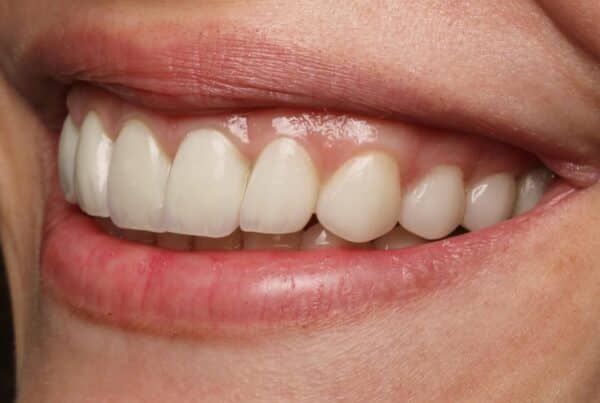
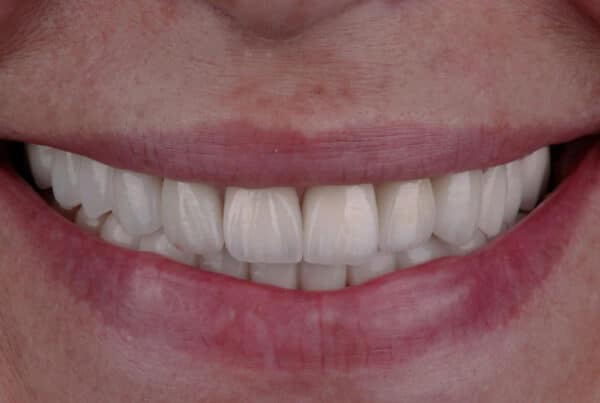
A common cost factor is the dental prosthesis that is placed on the implant. The exact costs of the dental prosthesis, in turn, depend on the material, the technique, and the effort in the dental laboratory.
Bone augmentation is also one of the typical additional services. If the existing bone supply is insufficient, it must be surgically supplemented.
For precise planning, many practices use digital diagnostics, including 3D X-rays or computer-assisted implant planning. These procedures increase the safety of the treatment and usually shorten the treatment time, but also lead to further costs.
In some cases, special surgical templates are used. They improve the positioning of the implant but are also associated with additional costs.
These services are not necessary in every treatment case. Their use depends on the individual situation in the jaw and the requirements for function and aesthetics. It is important that all additional costs are listed in the treatment and cost plan.
Anyone who wants to find out about dental implant costs should always ask about these items. This is the only way to get a realistic picture of the total costs.
Health Insurance and Subsidies – What is Covered by Law
Dental implant costs are generally considered a private service. The statutory health insurance does not cover the costs for the implant itself. Rare exceptions apply only in cases of medical necessity.
Nevertheless, there is financial support. The health insurance company grants a so-called fixed subsidy. This does not refer to the implant but to the dental prosthesis. A standard care is taken as a basis. The bonus booklet documents regular check-ups. Those who document five years without gaps receive a 70 percent subsidy. From ten years, it is 75 percent. This subsidy applies to the dental prosthesis on the implant, not to the implant itself.
For people with low incomes, there is the hardship regulation. In these cases, the health insurance company covers the full costs of standard care. However, the implant remains a private decision.
In addition to the statutory regulations, private supplementary insurance can apply. These partially reimburse the costs for implants or increase the fixed subsidy.
It is important that the treatment and cost plan is submitted to the health insurance company in good time. This is the only way to check and approve the possible subsidy. The health insurance company decides on the amount of the contribution on this basis. Although the subsidy does not significantly reduce the total costs, it helps with the financing of the dental prosthesis.
Financing and Options for Cost Reduction
Dental implant costs can be a financial burden for many. Therefore, a suitable financing is often necessary. At ZAHNGENIAL, we offer installment payments, some even interest-free, through our financial service provider “ZA – Zahnärztliche Abrechnungsgesellschaft”. The total amount is divided into monthly installments. The term is usually flexible.
Another option is to take out dental insurance. Depending on the tariff, it covers parts of the implant costs or participates in the total costs. The contract must usually be concluded before the start of treatment. Waiting periods and benefit levels vary depending on the provider.
The bonus booklet also helps to increase the fixed subsidy from the health insurance company. Regular check-up appointments with the dentist bring financial relief in the long run.
Summary
Dental implants are a long-term solution for tooth loss. The associated costs depend on many factors. At ZAHNGENIAL, we know that transparency is crucial. In our three locations in Wiesbaden, we provide personal advice and create individual treatment and cost plans. This gives you an exact overview of all services and additional costs.
Our practices have modern 3D X-ray diagnostics, computer-assisted implant planning, experienced surgeons, and our own master laboratory. This enables precise planning, short distances, and direct coordination with the dental technician. This not only reduces the treatment time but also unnecessary additional costs.
If required, we will support you with financing. We offer fair installment payment models and help with the assessment of subsidies from the health insurance company.
Dental implant costs must be understandable and plannable. That’s why we focus on personal discussions, detailed advice, and complete cost transparency. Feel free to arrange an appointment for implant consultation in one of our practices. We will clarify all open questions and accompany you step by step on the way to your dental implant.
FAQ about Dental Implant Costs
What does a single dental implant cost completely?
The costs for dental implants vary greatly and depend, for example, on the material used and the treatment complexity. Additional costs such as bone augmentation can increase the price.
Are dental implants paid for by health insurance?
The statutory health insurance does not cover implant costs. It contributes with a fixed subsidy for the dental prosthesis, not for the implant itself.
How can I reduce dental implant costs?
A regularly maintained bonus booklet increases the subsidy for the dental prosthesis. Dental insurance or installment payments can also reduce the burden.
What financing options does ZAHNGENIAL offer?
For example, we work with “ZA” (Zahnärztliche Abrechnungsgesellschaft AG) as a financial service provider, which organizes the installment payment. Flexible terms can be agreed. With a term of 6 months and a minimum installment of only €25 (higher installments are of course also possible), the installment payment with ZA is even completely interest-free! Click here for the ZA installment calculator: https://www.die-za.de/ratenrechner