Dental aesthetics: what makes a smile harmonious
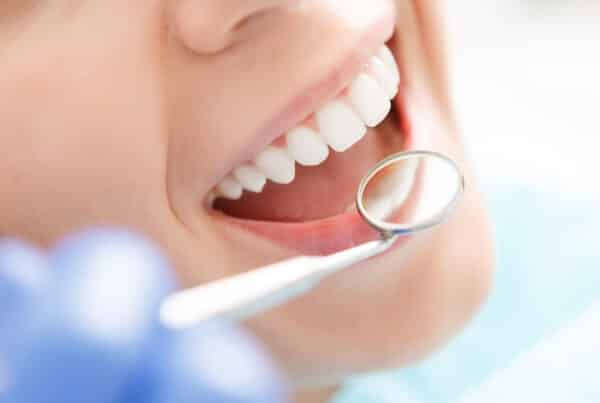
A beautiful smile does not depend on tooth colour alone. White teeth by themselves do not yet create harmony. Just as important are the shape, length and position of the teeth, the course of the smile line and healthy gums. Anyone who wants to understand what really makes a smile appealing quickly comes across an interplay of several factors that can be examined and treated systematically in modern dental aesthetics.
What makes a face harmonious?
A face appears harmonious when all visible elements are in balance. In aesthetic dentistry, the relationship between the teeth and the gums plays a central role here. Specialists speak of what is known as red-white aesthetics: the red stands for the gums, the white for the teeth. Only when the two are coordinated with each other does a smile emerge that looks natural and balanced.
The smile line is also decisive. It describes the course of the visible teeth when smiling and should ideally follow the curve of the lower lip. If it is too steep, too flat or irregular, the smile quickly appears unbalanced, even if the teeth are healthy and bright.
Then there is the bite. A misalignment can affect not only the appearance but also have functional consequences: tension in the jaw, headaches or uneven tooth wear. In modern dentistry, dental aesthetics and function are therefore not opposites, but two sides of the same treatment.
The most important factors for a harmonious smile
Tooth colour
Discolouration from coffee, tea, red wine or nicotine changes the tooth colour over time. Natural ageing also makes teeth appear more yellowish, as the tooth enamel becomes thinner and the darker dentine underneath shows through more strongly. Professional bleaching can lighten the tooth colour by several shades and is one of the most common measures in aesthetic dentistry.
Tooth shape and tooth length
Teeth that are too short, too narrow or irregularly shaped considerably influence the overall look of the smile. Worn incisal edges, chipped corners or pronounced differences in length between the front teeth disturb the symmetry. Depending on the starting situation, veneers, ceramic crowns or composite build-ups can specifically correct shape and length.
Tooth position and smile line
Crooked, rotated or crowded teeth change the course of the smile line. Modern teeth straightening with transparent aligners or orthodontic appliances can correct the position of the teeth without visible metal braces being necessary.
Gums and red-white aesthetics
Gums that have receded or run irregularly immediately change the smile. Likewise, too much visible gum when smiling, known as a gummy smile, can dominate the overall picture. Healthy and symmetrically running gums are the foundation of every aesthetic treatment.
What is a full-mouth rehabilitation?
When several aesthetic and functional problems come together, a single measure is not enough. In such cases, aesthetic-reconstructive full-mouth rehabilitation is used. It views the entire dentition as a system and treats all the factors involved together: tooth colour, tooth shape, tooth position, bite and gums.
The goal is a harmonious smile line in which all elements are coordinated with each other. The result should not only be aesthetically appealing, but also remain functionally stable. Form follows function, and function contributes to aesthetics.
A full-mouth rehabilitation always begins with a thorough analysis. Models of the dentition, photos and digital simulations help to make the desired result visible before the treatment. In this way, wishes and realistic possibilities can be compared in advance.
Which treatments are available in dental aesthetics?
Aesthetic dentistry today offers a wide range of options. Depending on the starting situation, different treatments come into consideration:
Teeth whitening (bleaching): Removes discolouration and lifts the tooth colour by several shades. It is always carried out first, before aesthetic ceramic restorations, since ceramic cannot be lightened afterwards.
Veneers: Wafer-thin ceramic shells that are bonded onto the front surface of the tooth. They correct shape, colour and minor misalignments without requiring deep intervention in the tooth structure.
Ceramic crowns: For more severely damaged or restored teeth, all-ceramic crowns offer both aesthetic and functional stability. Ceramic reflects light in a similar way to natural tooth enamel and therefore looks particularly natural.
Teeth straightening: Transparent aligners or orthodontic treatment correct the position of the teeth and improve the course of the smile line.
Periodontal treatment: Healthy gums are the foundation of every aesthetic restoration. Before any decorative measures, gum health is always established first.
Dentures and dental restorations: Missing teeth in the visible area can be replaced with implants, bridges or all-ceramic crowns in such a way that they are barely distinguishable from natural teeth.
Is dental aesthetics just cosmetics?
No. In modern dentistry, aesthetics and function are closely linked. A pronounced misalignment puts strain on the jaw joint and can lead to tension, headaches and uneven tooth wear. Receded gums increase the risk of caries and periodontitis. Heavily worn teeth lose not only their shape but also their protective function.
Anyone who undergoes aesthetic treatments frequently improves function and health at the same time. Conversely, a healthy foundation is the prerequisite for aesthetic results to last permanently.
Summary
Dental aesthetics is more than whitening teeth. A harmonious smile arises from the interplay of tooth colour, tooth shape, tooth position, smile line and gums. Modern treatment methods make it possible to influence each of these factors specifically, either individually or as part of a comprehensive rehabilitation.
At ZAHNGENIAL, we offer aesthetic dentistry at all three locations in Wiesbaden. Anyone who would like to know which treatment suits their own situation has come to the right place. In a personal consultation, we analyse the starting situation and discuss realistic options. Short-notice appointments can be booked via our free service number or via Doctolib.
Frequently asked questions about dental aesthetics
What is meant by dental aesthetics?
Dental aesthetics covers all dental measures that harmoniously optimise the shape, colour and position of the teeth as well as the gums. The goal is a natural, balanced smile that suits the individual facial structure.
What is red-white aesthetics?
The term describes the balance between the gums (red) and the teeth (white). A harmonious smile requires that the two are coordinated with each other. Irregular or receded gums can disturb the overall picture even when the teeth themselves are flawless.
What is a full-mouth rehabilitation?
An aesthetic-reconstructive full-mouth rehabilitation treats the entire dentition as a system. It combines several measures, such as bleaching, veneers, crowns, teeth straightening and periodontal treatment, in order to achieve a harmonious and functionally stable result.
Are veneers suitable for everyone?
Veneers are particularly suitable for front teeth with discolouration, shape defects or minor misalignments. The prerequisites are healthy gums and sufficient remaining tooth structure. Whether veneers are an option is shown by the individual examination.
Does health insurance cover aesthetic treatments?
Purely aesthetic measures such as bleaching or veneers have to be paid for privately. Treatments that also have functional or medical reasons can be partially subsidised by the health insurer. In the consultation, we clarify the cost situation transparently.
How long do aesthetic treatments last?
That depends on the treatment and on care. Bleaching results usually last one to two years. With good oral hygiene and regular check-up appointments, veneers and ceramic crowns remain durable for many years.