Teeth grinding: causes, consequences and what helps
Teeth grinding, known in medical terms as bruxism, affects one in two people at least once in their lifetime according to the German Dental Association. The tricky part: most of them have no idea. The grinding happens at night, unnoticed and uncontrollable. Only the consequences become noticeable, often not until the damage has already been done. Anyone who knows the causes and warning signs can take countermeasures early on.
What is teeth grinding and how does it develop?
When grinding your teeth, the teeth of the upper and lower jaw involuntarily press or rub against each other. The forces that arise are enormous: up to 480 kilograms per square centimetre, which is ten times the normal chewing pressure. In some cases the nightly grinding lasts up to 45 minutes.
Two forms are distinguished. With sleep bruxism, the grinding occurs during sleep, without those affected consciously noticing it. With awake bruxism, people press their teeth together during the day, often during periods of stress or concentration. Both forms can occur in combination.
The most common causes
Stress and psychological strain are considered the main triggers. Numerous studies confirm the connection between emotional stress and bruxism, in children as well as in adults. Anyone who takes unprocessed tension into their sleep passes it on to the masticatory muscles.
Other factors that can promote teeth grinding:
- Sleep disorders and sleep apnoea
- Certain medications, including some antidepressants and stimulants
- Caffeine and nicotine
- Malocclusion or poorly fitting dentures
- Genetic predisposition
In around 20 percent of those affected, the grinding becomes chronic and requires treatment.
How do I know that I grind my teeth?
Since sleep bruxism happens unconsciously, those affected often only notice it through comments from their sleeping partner, or through the first physical consequences. Typical warning signs in the morning:
- Aching or tense jaw muscles on waking up
- Headaches, especially in the temple area
- Worn-down, smooth-looking chewing surfaces or sharp tooth edges
- Teeth that are more sensitive to cold, heat or pressure
- Clicking of the jaw joint or restricted mouth opening
- Tension in the neck and shoulders
Anyone who recognises one or more of these signs in themselves should mention it at their next dental appointment. The diagnosis is usually easy to identify during the examination.
What are the consequences of teeth grinding?
Untreated bruxism can cause considerable damage that goes beyond the teeth and jaw and affects the entire body.
Tooth damage
The sustained pressure wears down the tooth enamel. Fine cracks develop, the teeth become shorter and more sensitive. Fillings, inlays, crowns and bridges can also be damaged. At an advanced stage, teeth may become loose.
Jaw joint and muscles
The masticatory muscle is the strongest muscle in the human body relative to its size. Permanent grinding overloads it. The result is jaw joint pain, clicking of the jaw joint and, in pronounced cases, what is known as craniomandibular dysfunction, or CMD for short. In this condition, the skull, the lower jaw and the surrounding muscles are functionally disturbed.
Radiating pain
The jaw, neck and back are connected via nerves and muscle chains. Tension from the jaw frequently radiates into the neck, temples and shoulders. Chronic headaches, ringing in the ears (tinnitus) and dizziness can also be connected with bruxism.
Treatment options for teeth grinding
The occlusal splint
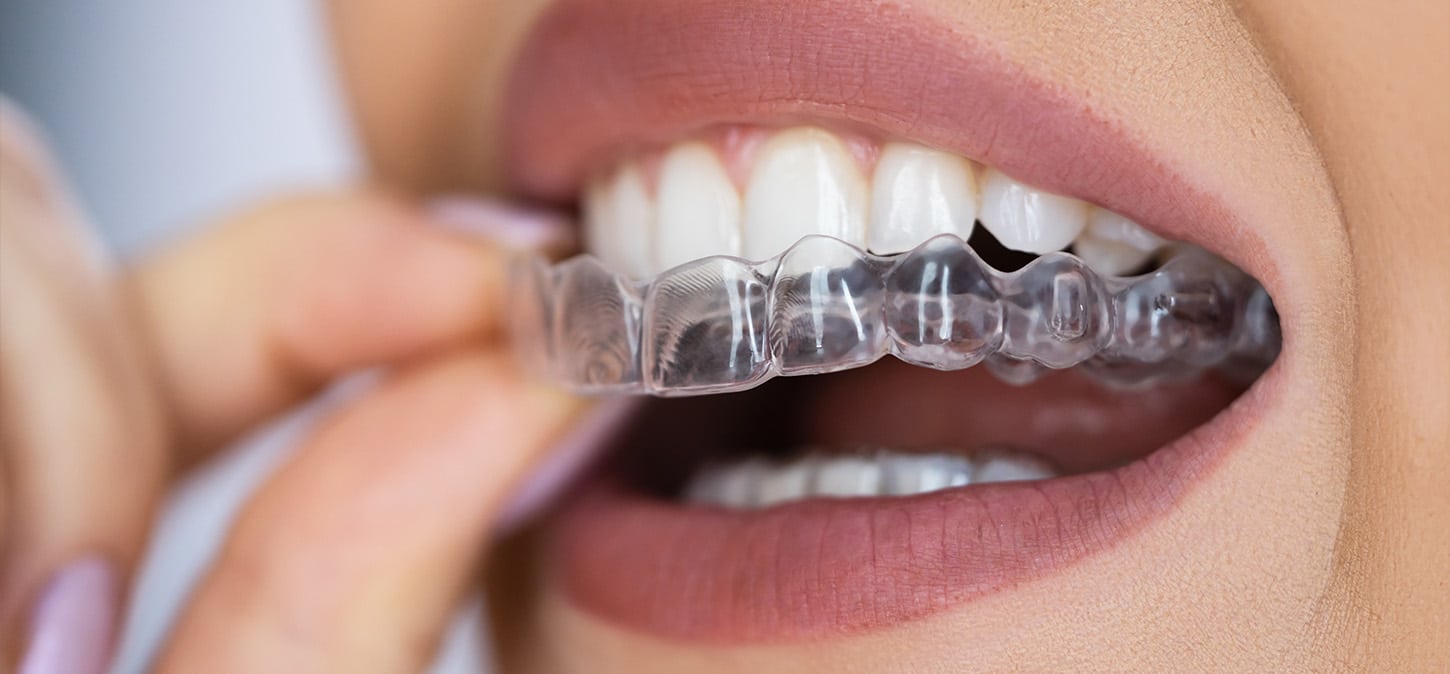
The first and most common measure is an individually fitted occlusal splint, also known as a grinding guard or night guard. It is worn at night and prevents direct contact between the rows of teeth. The splint protects the tooth enamel from further wear, relieves the jaw joint and can significantly reduce pain.
Important to understand: the splint does not treat the cause of the grinding, it protects against the consequences. It is an effective first step, especially with nocturnal sleep bruxism. The costs are usually covered by statutory health insurance once bruxism has been diagnosed.
Stress reduction and relaxation
Since stress is the most common trigger, measures that lower the general stress level help. These include regular physical activity, relaxation exercises such as progressive muscle relaxation or breathing exercises, as well as sufficient sleep.
With awake bruxism, awareness helps: anyone who notices that they are pressing their teeth together during the day can actively counteract it. Open the mouth slightly, keep the lips loose, and keep the upper and lower jaw relaxed and apart.
Physiotherapy
Physiotherapeutic treatments release tension in the jaw, neck and shoulders. In combination with the occlusal splint, they show particularly good results in those affected by pronounced pain symptoms.
Further treatment for CMD
If bruxism has already led to craniomandibular dysfunction, a more in-depth functional analysis and specialised jaw joint treatment is necessary. In such cases, the dentist, physiotherapist and, if applicable, further specialists work together.
What you can do yourself
In addition to professional treatment, there are a few things that help in everyday life:
- Reduce caffeine and alcohol, especially in the evening, as both can intensify the grinding
- Avoid chewy foods such as hard bread or tough dishes shortly before going to sleep
- Regular stretching exercises for the jaw and neck
- Consciously relax the lower jaw: lips closed, teeth slightly apart
Summary
Teeth grinding is widespread and often underestimated. The forces acting on the teeth and jaw joint are considerable. Left untreated, tooth damage, jaw joint problems and radiating pain develop, which can be a burden in everyday life.
At ZAHNGENIAL, we diagnose bruxism as part of the examination and produce individually fitted occlusal splints in our in-house practice laboratory. Anyone who wakes up with an aching jaw in the morning or recognises other warning signs can arrange an appointment at any time. Short-notice appointments can be booked via our free service number or via Doctolib.
Frequently asked questions about teeth grinding
What is bruxism?
Bruxism is the medical term for teeth grinding and jaw clenching. It is an involuntary, mostly unconscious activity of the masticatory muscles that can occur during the day or at night.
How do I notice whether I grind my teeth?
Typical signs are an aching or tense jaw in the morning, headaches in the temple area, worn-down chewing surfaces and more sensitive teeth. Often it is the sleeping partner who first draws attention to the grinding.
Is teeth grinding dangerous?
Occasional grinding during stressful periods is generally not dangerous. Chronic bruxism, on the other hand, can cause considerable damage to the teeth, the jaw joint and the surrounding muscles and should be treated.
What helps against teeth grinding?
The most common first measure is an individually fitted occlusal splint that is worn at night. It protects the teeth from further wear and relieves the jaw joint. Stress reduction, relaxation exercises and physiotherapy help in addition.
Does health insurance cover the cost of an occlusal splint?
As a rule, yes, provided the treating dentist makes a diagnosis of bruxism. With more elaborate types of splint or additional treatments such as a functional analysis, a personal contribution may apply.
Can children grind their teeth too?
Yes. In children, teeth grinding is often a temporary phenomenon and part of normal development. In many cases it resolves on its own. If symptoms persist, a dental appointment should nevertheless be arranged.